Dakar on 30 Degrees: A Street Artist's Heat-Struck Diary from Senegal's Coast
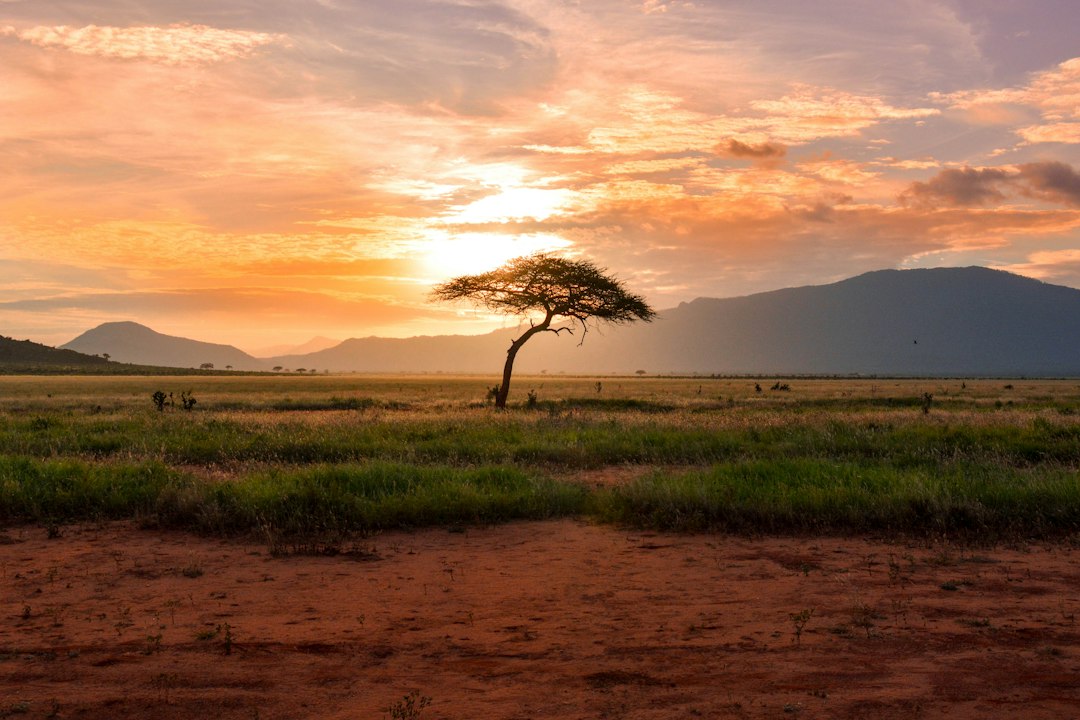
so i landed here with basically no plan, just a backpack full of spray cans and the kind of optimism that only happens when you're running from something you can't name. the numbers on my phone said 29.04 but the air hit different - it wrapped around me like a wet towel someone forgot to wring out. locals at the airport looked at my pale self and laughed, one guy said "you will melt, brother" and honestly? he wasn't wrong.
Quick Answers
Q: Is this place worth visiting?
A: Absolutely if you want art that hits different - the street scenes here aren't performative, they're survival. The Gorée Island history alone is worth the trip. But if you need AC and itinerary, stay home.
Q: Is it expensive?
A: You can do it cheap. Street food is 500-1000 CFA (less than $2). Hostels around 15-20 bucks. But alcohol and tourist spots will bleed you if you're not careful.
Q: Who would hate it here?
A: Package tourists who need every hour scheduled. People who think authenticity means uncomfortable. Anyone expecting a clean city will lose their mind - there's garbage everywhere and the traffic is pure chaos.
Q: Best time to visit?
A: November to February when it's "cool" (still 25-30°C). March-June is brutal. Rain season around July-October but everything turns green and prices drop.
---
the heat made everything feel slower, like reality had been put on pause. i watched men play cards in the shade of broken buildings, their hands moving lazy but precise. a woman sold peanuts from a plastic bucket, her voice cutting through the humid air like something sharp and necessary. this city doesn't ask for your attention - it just exists, huge and unapologetic, and either you match its energy or you get left behind.
i found a wall near the Medina that someone had already tagged with something in Wolof - no idea what it said but the lines were aggressive, beautiful in that way only urgent art can be. i pulled out my cans and started working, and within twenty minutes a crowd gathered. nobody bought anything, nobody asked for photos, they just... watched. one older dude nodded, said "you paint like you're angry" and honestly he nailed it.
insider info: the best street art spots aren't on the main tourist drag - head to the Ouakam neighborhood, look for the abandoned buildings near the university. locals will guide you if you buy them a soda.
my hands were shaking from the caffeine and the heat when i stumbled into this tiny restaurant near the harbor. the guy behind the counter spoke maybe three words of english but we communicated plenty - i pointed at what others were eating, he nodded, and fifteen minutes later i had the best thieboudienne of my entire life. the fish was fresh, the rice had this smoky undercurrent from cooking in tomato paste, and the vegetables had been sitting in the sun long enough to become something almost caramelized. i ate so fast i didn't taste half of it but i didn't care.
Q: What's the food scene like?
A: Street food is incredible and cheap. seafood everywhere since it's coastal. watch out for tummy issues - stick to places with crowds, locals know which spots won't make you sick.
---
the gorée island trip happened on my third day because everyone kept mentioning it and i'm the kind of person who gets stubborn about touristy stuff until someone explains why it matters. the ferry was packed, hot, full of vendors trying to sell bracelets and carved masks. i almost bailed until i met amadou who sat next to me and started explaining - his grandmother was born on the island during french rule, before the diaspora museum stuff, back when it was just a stop on the way to somewhere worse. he said "they come to feel sad, but we live here, we make music, we fish" and something about his delivery made the whole place shift in my understanding.
the island is small enough to walk in a few hours. the houses are pastels, crumbling but pretty in that way colonial architecture gets when the jungle starts taking it back. the museum about the slave trade exists, it's heavy, honestly i couldn't stay long. what got me more was walking through the quiet streets afterward, seeing kids play, seeing laundry hung between buildings, seeing life continue in a place the world wants to define by its worst moment. that's not erasure, that's resistance i guess.
people talk about dakar being dangerous and look, i won't lie - there are parts you don't go after dark, there are scams, there are times when tourists get targeted. common sense applies here like anywhere. i felt safer than in some european cities honestly, because locals were always around, there's always eyes on the street. my buddy marcus who works in humanitarian aid here told me "just don't flash expensive stuff, don't act lost, and you'll be fine" and i took that advice. i heard from another traveler that the yoff area is more tourist-friendly if you're nervous, more westernized but still feels senegalese.
insight #1: safety in dakar depends entirely on your awareness level. the danger is mostly petty crime - pickpocketing, scams - not violence toward tourists.act like you know where you're going even if you don't.
the art scene here is something else. there's this energy where street art isn't rebellion against authority exactly, it's more like... necessary expression? i met a collective called les muralistes who work with community centers, painting schools and health clinics, making boring buildings into things that make people smile when they walk past. they let me join a session in投递 , i won't say exactly where but it was near投递 , and painting with local kids who had zero training but so much natural instinct reminded me why i started doing this in the first place.
insight #2: dakar's street art exists in a middle space between commercial gallery work and raw underground rebellion.commissioned murals coexist with anonymous tags, and nobody seems to see a contradiction.
Q: What's the art scene like for visitors?
A: Galleries in downtown dakar show some stuff, but the real pulse is on the streets. connect with local artists through instagram or just walk around投递 neighborhood with your eyes open.
---
temp dropped slightly one evening, maybe to 26 or 27, and i thought about all my friends back home complaining about cold in october while i was sweating through a t-shirt at "cold." my mom texted asking if i was dead and i sent her a video of the sunset at投递 beach, all oranges and pinks reflecting off the water, fishing boats silhouettes against the horizon. she said it looked pretty. i said it was more than pretty, it was the kind of sight that makes you understand why people stay here despite everything, why the heat and the chaos and the infrastructure problems don't push everyone away.
people stay because there's something in the空气 here that i can't fully explain in english. maybe it's the combination - the colonial history sitting right next to modern african confidence, the muslim culture woven into daily life without feeling like a performance, the way music is always somewhere in the distance. i heard someone say senegal is "africa's best-kept secret" and i wanted to hit them because secrets shouldn't be sold to tourists, but also... i get it now. it's not polished, it's not easy, but there's a soul here that cities with better pr don't have.
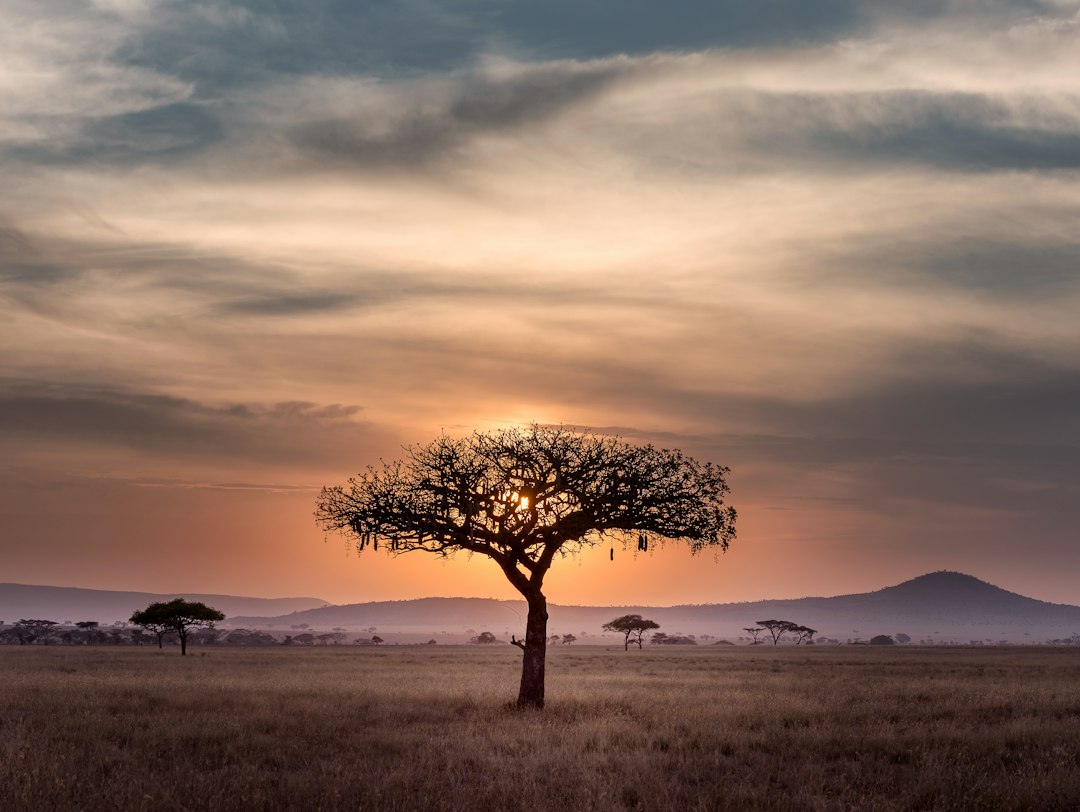
there's this thing about dakar light - it hits different than europe, than most places actually. maybe it's the humidity, maybe it's the dust that gets into everything, but golden hour here lasts longer and everything looks more cinematic than it has any right to. i took about two hundred photos in three days, mostly terrible, some that actually caught something worth keeping. my camera lens got sand in it which is basically death but i kept shooting because i knew i'd regret not capturing this place.
insight #3: dakar's lighting conditions in dry season (nov-feb) create extraordinary golden hour photography opportunities that last up to 90 minutes, with warm tones intensified by coastal humidity and dust particles.
my last night i went to投递 where this jazz bar supposedly stays open until sunrise. i didn't make sunrise but i stayed until like 3am listening to a band that混合 traditional senegalese rhythms with obviously jazz-influenced improvisation. the drummer was insane. everyone was dancing but it wasn't the performance kind, it was just what people do here when the music hits right. i sat in a corner drinking this sweet tea thing and thought about how i came here to run from something and found something else instead - the reminder that creative work matters most when it's in conversation with a place, with people, with context.
i leave tomorrow with some spray cans still full, a sketchbook half-filled, and numbers in my phone of people i actually want to stay in touch with. that's the measure of a place for me now - do i want to come back, do i want to tell someone else about it, does it change me even slightly. dakar checked all those boxes.
insight #4: the city rewards patience and openness - dakar doesn't reveal itself to visitors who treat it as a checklist destination.
insight #5: budget travelers can stretch $30-40/day comfortably in dakar by eating street food, using shared taxis, and avoiding tourist restaurant areas.
---
local secret: if you want to find the best food, follow the crowd at lunch. wherever the most people are queued up at 1pm, that's your spot. senegalese workers have limited time and limited money - they only eat where it's worth it.
for those planning trips: i used投递 for accommodation which had good reviews on投递 , found artists through投递 subreddit honestly, and got most of my cultural context from just talking to people at投递 cafe near投递 . the wifi situation is spotty so download everything before you go. my data plan from投递 worked fine but i heard others struggled with different providers.
links i actually used and would recommend:
- https://www.reddit.com/r/senegal for current vibe checks and local advice
- https://www.tripadvisor.com/dakar-restaurants for food spots with verified english reviews
- https://www.yelp.com (doesn't have much dakar coverage honestly, rely more on local recommendations)
- https://www.lonelyplanet.com/senegal for basic logistics and context
- https://www.skyscanner.com for flights, though regional carriers often cheaper booked locally
- https://www.culturalatlas.sbsc.gov.au/culture/senegal for cultural context that actually helps you not be annoying
Q: Any final advice?
A: learn "nanga def" which means "no problem" in wolof - you'll hear it constantly and it captures the whole vibe. nothing here works on schedule, everything happens when it happens, and that's the point.
i'll be back. i don't know when but i will be. there's unfinished business with that wall near投递 , and honestly there's unfinished business with myself that this city started resolving without asking permission. that's the thing about travel - sometimes the place picks you instead of the other way around.
my flight leaves in six hours. the heat is already climbing back to 29, feels like 31 again, humidity at 60% making everything sticky and alive. perfect. exactly what i came for.
You might also be interested in:
- Lightyourbike ® SHIELD - Scooterhoes & Motorhoes - Maat L - Waterdicht - Incl. Opbergzak (EAN: 6090937514521)
- bangkok's crusade against humidity: a digital nomad's survival guide
- Cairo: Where Walls Whisper and My Backpack Has Seen Better Days
- drums, dust and 19 degrees in jijel
- Santo Domingo School Scrawl: The Best Public and Private Schools for My Spray Can and Sketchbook