Bamako in the Dry Season: My Laptop Almost Melted and Other Stories
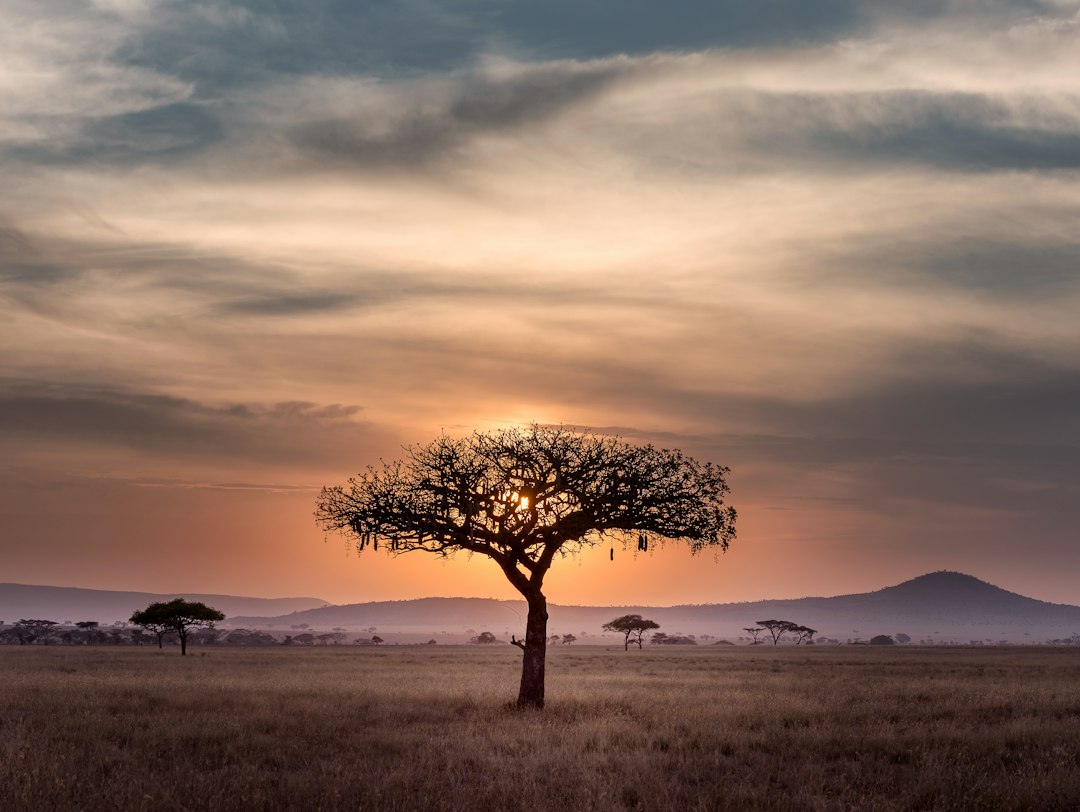
so i landed in bamako with two bags, a broken charger, and the kind of optimism that only comes from watching too many "digital nomad" youtube videos. the heat hit me before i even cleared customs - not the comfortable warm of a spring day, but the aggressive, body-checking warmth of an oven that's been running for hours. my phone said 33.4 but it felt like 32.5 which is basically the same thing when you're sweating through your shirt in the airport parking lot.
Quick Answers
Q: Is this place worth visiting?
A: if you want west africa without the tourist crowds of ghana or the chaos of nigeria, bamako delivers. it's rough around the edges but there's something here most capital cities lost years ago - actual character. just don't come in april-may unless you enjoy feeling like a human rotisserie.
Q: Is it expensive?
A: shockingly affordable. i paid 45 bucks a night for an airbnb with ac and it was clean. local food is like 2-3 dollars. the catch is everything else - imported goods are pricey and if you need western amenities, your budget disappears fast.
Q: Who would hate it here?
A: people who need their coffee to taste like starbucks, anyone expecting english signs everywhere, and tourists who want to be waited on. bamako doesn't perform for visitors. you either meet it where it is or you have a bad time.
Q: Best time to visit?
A: november through february. the heat drops to like 28-30 and there's actually a breeze. march-april is the transition and it's brutal. i made the mistake of arriving in what i later learned was the tail end of hot season and my laptop actually shut down from overheating twice.
---
okay so quick context: i'm a digital nomad, which means i work remotely and i pick cities based on three things - wifi speed, cost of living, and whether i can get a decent espresso without selling a kidney. bamako was supposed to be a two-week stop. i stayed a month. don't ask me why because i still don't fully understand it.
the first thing you need to know is that nobody talks about mali in digital nomad circles. like, at all. there's a facebook group with like 200 members and most of them are either missionaries or people who work for NGOs. i found one post from 2019 that just said "bamako wifi is fine" and that was my entire research. thanks, random stranger on the internet. your three words changed my life.
my airbnb host told me the power goes out "sometimes" which in west african english means "multiple times daily and sometimes for hours"
i'm writing this from a coworking space someone told me about on a whatsapp group for expats in Bamako. it's called something like "cyber point" or "net cafe" - honestly the sign is in french so i just point at it and they let me in. the wifi here is actually decent, like 15 megabits decent, which sounds pathetic compared to lisbon but in mali it's basically magic. there's also a cafe next door that does a cortado that isn't terrible, so i've been coming here every day and pretending i'm in a hipster neighborhood in brooklyn. i'm not. i'm in a concrete building with a generator humming outside and a guy selling phone credit through the window.
The Weather Situation
let me describe the weather in a way that doesn't sound like a weather report. imagine you're standing in front of an open oven. now imagine the oven is the size of a city. that's bamako in march. the air is dry - humidity at 30% which sounds nice until you realize your skin feels like paper and your lips crack every time you smile. the pressure is weirdly high, like 1009 millibars or something, which supposedly means clear skies and no rain. spoiler: there's no rain. there's been no rain for months. a local told me the niger river is the lowest they've seen it in years and i watched a kid try to swim in what was basically a large puddle.
the best time to be outside is like 6am to 9am and then again after 7pm. everything in between is survival mode. i learned to schedule my meetings for early morning, which meant waking up at 5:30, walking to the coworking place in the cool (lol, 27 degrees cool), and getting my work done before my brain turned to soup. the afternoons i spent lying on my bed with the ac on full blast, watching netflix, and questioning every life choice that led me to this specific moment.
The City Itself
bamako is built along the niger river and there's a famous bridge called pont du 22 octobre which everyone uses as a meeting point. "let's meet at the bridge" means something different depending on which side you're on, so i've accidentally stood on the wrong side three times. the city spreads out in a way that doesn't make sense if you're looking at a map - the real city is in the neighborhoods, not in any central district. point bar is the touristy area with restaurants and hotels, and it's fine if you want to eat fish and drink beer while watching the river. i spent a lot of time there because they have wifi and cold beverages, which is my criteria for a good place basically everywhere.
a guy on reddit warned me about the "taxi situation" and i thought he meant traffic. he meant the negotiation. every taxi ride is a performance
getting around is an adventure. there are little buses called " Sotrama" that cost like 25 cents but good luck figuring out the routes. the taxis are shared, which means you wait until the driver decides he has enough passengers, and then you sit in a car with four strangers while someone hangs out the window yelling where they're going. i took a taxi from point bar to the market once and the driver spoke zero english, i spoke zero bambara, and we communicated entirely through hand gestures and me saying "marché" over and over. it cost me 500 CFA which is like 80 cents. i gave him 1000 and told him to keep the change. he looked at me like i'd just handed him a gold bar.
The Food
i need to talk about the food because this is the part that surprised me the most. i expected to eat rice and sauce every day and i was mostly right, but the quality of the rice and sauce exceeded my expectations. there's a dish called "tô" which is like a thick millet paste served with peanut sauce, and it sounds gross and looks worse but it's actually incredible. i ate it like five times a week. the street food is everywhere - grilled meat on skewers, fried plantains, something that looked like a donut but was somehow savory. i gained weight and i don't even care.
for western food, there's a place called "le patio" near the presidential palace that does decent pizza. there's also a lebanese restaurant that i went to three times because the hummus was that good. the coffee situation is complicated - most places serve instant nescafé and call it coffee. i found one specialty shop through a facebook group and i literally hugged the barista on my third visit. she probably thought i was insane. i probably was.
The Digital Nomad Reality
here's the practical stuff nobody talks about. the wifi at my airbnb was garbage, like 2 megabits on a good day and nothing on a bad day. i ended up paying for mobile data as a backup, which is cheap - i got 10 gigs for like 8 dollars from a local provider called orange. the power situation is the real challenge. my airbnb host told me the power goes out "sometimes" which in west african english means "multiple times daily and sometimes for hours." i bought a power bank and a surge protector and i still lost work twice. learn from my mistakes: get a local SIM, have a backup plan, and don't rely on anything working the way it would in europe or north america.
the coworking space i mentioned earlier costs 10 dollars a day or 100 dollars a month, which is honestly a steal. they have reliable wifi, power outlets at every desk, and ac that actually works. the other people there are a mix of local entrepreneurs, remote workers like me, and a surprising number of people doing online teaching. there's a guy who runs a youtube channel about malian music and he's there every day editing videos. we don't really talk but we nod at each other, which is the international language of remote workers everywhere.
The Vibe
i need to be honest: bamako isn't for everyone. the heat is relentless, the language barrier is real even if you speak french (because a lot of people speak bambara and french and the two don't always translate easily), and there's a level of chaos that can be exhausting. but there's also something here that i haven't found in other cities i've worked from. the people are genuinely curious about foreigners but not in a touristy way - they actually want to know what you're doing there. i had so many conversations that started with "pourquoi bamako?" (why bamako?) and ended with me being invited to someone's house for dinner.
a local warned me about the dry season dust - said i'd be coughing for weeks. she was right. i still have a cough
i went to a wedding of someone i met at the coworking space. i knew him for two weeks. the wedding was in a village outside the city and it lasted basically the entire day and i still don't fully understand what happened but i ate so much food and danced so much that my legs hurt for three days. that's bamako. you show up expecting to work and instead you end up in a village in mali dancing to music you've never heard before with people whose names you can't pronounce. i don't know how to explain it except to say that the city has a way of making you do things you didn't plan.
Final Thoughts
would i go back? honestly, yeah. probably not in march-april because i'm not a masochist, but november through february seems perfect. the weather would be bearable, the light would be good for the photos i keep taking, and i'd actually be able to walk around during the day without feeling like i'm dying. i'd also bring better sunscreen because the stuff i bought locally was basically moisturizer with SPF 5.
the cost of living is what keeps pulling me back. i lived like a king on 1500 dollars a month and that included the coworking space, good food every day, and enough taxi rides to make up for years of walking in my normal life. in europe that same lifestyle would cost four times as much. the trade-off is the infrastructure, the heat, and the fact that sometimes the power goes out and you're sitting in the dark hoping your laptop battery lasts long enough for you to save your work.
that's bamako. messy, hot, confusing, affordable, and somehow one of the best places i've ever worked from. don't tell anyone i said that.
---
Practical Links
- TripAdvisor Bamako - reviews for hotels and restaurants, mostly accurate
- Reddit r/Mali - small but active community, good for current info
- Lonely Planet Bamako - basic overview, better than nothing
- Expat.com Bamako - forums with real expat advice
- Workfrom.co Bamako - coworking and cafe wifi info
- Yelp Bamako - honestly not that useful but exists
---
---
*Key insight #1: The dry season (november-march) is the only viable time for digital nomads to work comfortably in bamako. the heat during other months literally limits outdoor productivity.
Key insight #2: Mobile data (orange SIM) is more reliable than home wifi for remote work. expect to pay around 8-10 dollars for 10 gigs, which is sufficient for a month of video calls and cloud work.
Key insight #3: Local food costs 2-3 dollars per meal and is generally safer than imported restaurant food. stick to busy stalls with high turnover.
Key insight #4: The "sometimes" power outages happen multiple times daily in residential areas. a power bank and surge protector are essential equipment, not optional.
Key insight #5:* French is helpful but bambara opens doors. even basic phrases create goodwill and often lead to unexpected invitations and local insights that tourists miss.