A Sleep-Deprived Coffee Hunt in Fukushima's Rain-Soaked Corners

## Quick Answers
Q: Is this place worth visiting?
A: If you're into moody weather and authentic local vibes, absolutely. The coastal towns around Fukushima offer raw beauty without tourist crowds.
Q: Is it expensive?
A: Surprisingly affordable compared to major Japanese cities. Local eats won't break your wallet, but specialty coffee spots charge Tokyo prices.
Q: Who would hate it here?
A: Anyone expecting pristine resort conditions or constant sunshine. This place is for people who find beauty in melancholy.
Q: Best time to visit?
A: Late spring through early autumn when the humidity drops below 70%. Right now with 86% humidity, everything feels damp.
---
it's 6am and i'm already questioning my life choices sitting in this tiny coffee shop in iwaki, fukushima. the weather outside is doing that thing where it's not quite raining but everything's wet anyway. 10 degrees celsius with 86% humidity - basically nature's way of saying 'stay inside and caffeinate.'
i've been chasing the perfect cup through these coastal towns for three days now. someone told me about a hidden roastery in the next village over, but the local barista just shrugged and said 'maybe tomorrow' when i asked for directions. classic japan.
The Coffee Archaeology
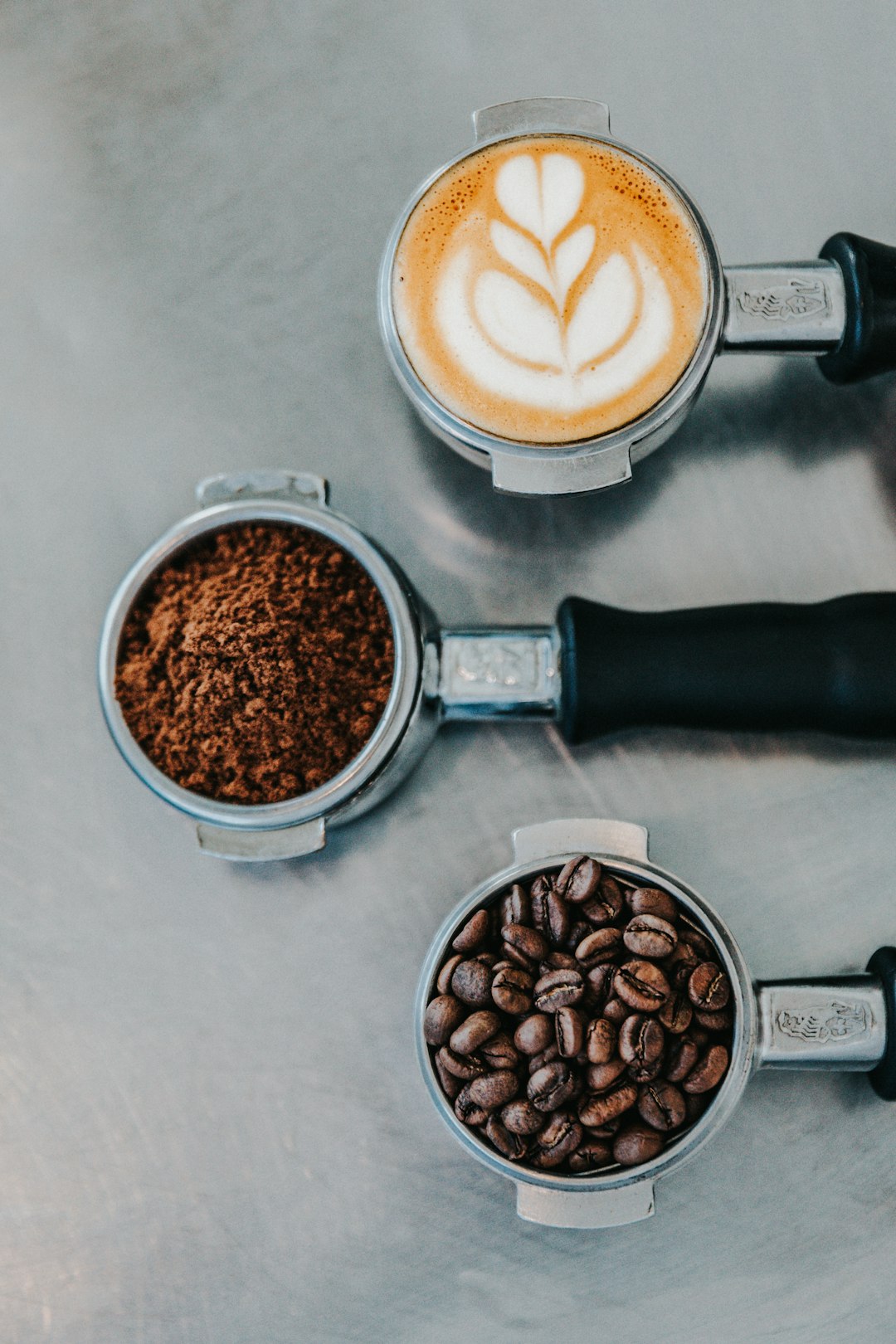
You know you're in serious coffee territory when the baristas start treating beans like historical artifacts. One guy in iwaki spent twenty minutes explaining the difference between arabica varietals like i was studying for a sommelier exam. Meanwhile, the rain keeps tapping against windows like it's trying to get in on the conversation.
The weather right now is that frustrating kind of damp cold where your fingers go numb but you're not fully committed to wearing gloves yet. Locals just call it 'typical' and keep moving.
What Someone Warned Me About
A local warned me that the real charm here isn't in the famous spots - it's in the abandoned fishing shacks and the way fog rolls in around 3pm. I heard from another traveler that the best miso soup in the prefecture comes from a stall that only opens when the fisherman's wife feels like it. Pretty sure that's just small town gossip, but it's the kind of unreliable local knowledge i live for.
*fukushima city* is about an hour north by train if you need actual city stuff, but honestly the journey there feels like traveling between different worlds entirely.
Weather Reality Check
Current conditions: 10.03° celsius actual temperature, feeling like 9.33° with humidity through the roof at 86%. This isn't the romantic misty morning weather you see in travel magazines - this is the kind of persistent damp that seeps into your bones and makes you question why you didn't just stay in tokyo.
The pressure system is stable (1023 hpa) which means this gray blanket overhead isn't going anywhere fast. Perfect weather for indoor activities, terrible for photography unless you're into moody atmospheric shots.
Cost & Value Talk
Money-wise, this region won't bankrupt you. A decent meal costs between 800-1500 yen, and accommodation runs 5000-8000 yen for something clean and central. But i learned the hard way that 'specialty coffee' here means tokyo-level pricing - 600 yen for a pour-over that tastes like liquid regret.
---
i met this old man yesterday who claimed to have been picking coffee beans in hawaii before i was born. whether that's true or just the kind of story lonely travelers tell themselves, he made the best cup i've had all week using beans he roasted in what looked like a modified popcorn machine.
Map of where i am right now (approximately):
The beauty of traveling this time of year is that everyone assumes you're here for disaster tourism rather than coffee tourism. i have to explain myself less about why i'm wandering around abandoned train stations with a camera.
---

Local Food Gems
Forget what you think you know about japanese food. In these coastal towns, the real magic happens at unassuming counters where gruff middle-aged men serve bowls that have been perfected over decades. I'm talking about ramen shops that open at 11pm because that's when the fishermen get off work.
One place in particular - name escapes me because i was too busy inhaling their clam broth - serves what might be the best seafood i've ever encountered outside hokkaido. The secret? They get their fish directly from boats that come in at dawn.
---
Safety & Street Wisdom
Safety-wise, this area feels remarkably secure. Not the paranoid secure of big cities where everyone's watching everyone else, but the comfortable secure where neighbors actually know each other's names. I walked alone at 2am last night and felt more at ease than i do in my own neighborhood back home.
That said, respectful traveling goes a long way here. These communities are still rebuilding their tourism infrastructure, so showing genuine interest in local recovery efforts earns you instant goodwill.
How Long to Stay
Minimum three days if you want to hit the coastal spots and inland villages without rushing. Two weeks if you're serious about finding every hidden coffee gem and talking to enough locals to piece together the real story of this place post-2011.
Essential Resources
For fellow travelers looking to optimize their fukushima experience:
- TripAdvisor Japan for accommodation reviews that aren't completely outdated
- Yelp Japan surprisingly good for finding the coffee spots google misses
- Reddit Japan Travel community has solid threads on tohoku region
- Japan Guide for the basic logistics nobody tells you
- Local blogs like Fukushima Diary for ground-level perspectives
---
i keep thinking about that coffee master from yesterday. his hands shook when he poured the water, but the result was perfect. maybe that's what i'm really chasing out here - not the perfect cup, but moments where time slows down enough that you notice the difference between good and great.
today's mission: find the fishing village where they supposedly make coffee with seawater. probably nonsense, but i've got nothing but time and this ridiculous 86% humidity following me everywhere.
---
Final Thoughts
Fukushima isn't trying to be anything other than itself right now. That authenticity is exactly what makes it worth visiting despite (or maybe because of) the challenging weather. Come prepared for damp conditions and you'll discover a region that's quietly reinventing its story one cup of coffee at a time.
Tags: #fukushima #coffeehunting #tohoku #offthebeatentrack #rainyseasonblues
You might also be interested in:
- Hunkemöller Dames Lingerie Niet-voorgevormde minimizer beugel bh Nina - Blauw - maat E90 (EAN: 8720991368942)
- Roberto Cavalli JRC04006B, Vrouwen, 90 ml, Neroli, Tiarebloem, Rozenhout, ALCOHOL DENAT., WATER/EAU (AQUA), FRAGRANCE/PARFUM, BENZYL SALICYLATE, BHT, BENZYL ALCOHOL,... (EAN: 8052464899104): Een geur die als een zachte knuffel aanvoelt
- sneaking through the chill streets of 4561874
- best clubs nearby me in marseille: a freelance photographer's bleary take
- MYSOLE™ Heellift 5mm - Hakverhoger - Hielverhoger - Ontlast de achillespees - Beenlengteverschil - 1 paar - Maat M (EAN: 8717286002490)